Products reviews
Educational Insights 5273 (80 x 50mm) Telescope$63.00 to $90.00
Tags:educational, insights, 5273, 80, x, 50mm, telescope, | Celestron NexStar 130SLT (31145) (306 x 130mm) Telescope$359.00 to $450.00
Tags:celestron, nexstar, 130slt, 31145, 306, x, 130mm, telescope, | Celestron PowerSeeker 50 Telescope$35.00 to $50.00
Tags:celestron, powerseeker, 50, telescope, |

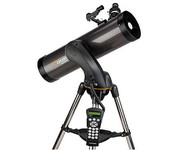
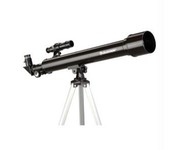
Celestron NexStar 5 SE (300 x 44.45mm) Telescope
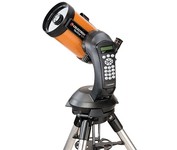
Featuring high-quality Schmidt-Cassegrain optics, the NexStar 5 SE is an ideal telescope for observing and photographing the wonders of space. With a total weight of 28 lbs including the tripod, the ultra portable 5 SE features a precision optical system with 1,250 mm focal length (f/10) standard with our premium StarBright XLT coatings and offers 56% more light gathering power than a 4" model.Minimize
Celestron NexStar 114 SLT 31143 (270 x 144mm) Telescope
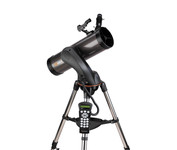
The NexStar 114 SLT has over twice the light-gathering power of an 80mm telescope! And the 114 SLT, like the other models in the SLT Series, comes with a fully computerized hand control with a database of over 4,000 celestial objects! With its pre-assembled, adjustable steel tripod, the NexStar 114 SLT can be up and ready to use in a matter of minutes. Our new SkyAlign alignment technology and the included StarPointer Finderscope with a red LED makes aligning a breeze.Minimize
Celestron PowerSeeker 70 EQ 21037 (35 x 70mm) Telescope
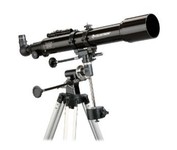
Celestron’s PowerSeekers include a full range of eyepieces plus a 3x Barlow lens that provides an increase in viewing power hundreds of times greater than that of the unaided eye!
Meade DS-2080ATS Telescope
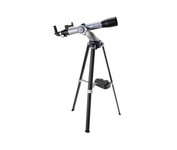
Meade Digital Series telescopes bring microprocessor technology and the very latest in electromechanical design to the serious beginning or intermediate observer. Completely re-engineered and redesigned, Meade DS-2080AT telescopes provide extremely smooth motions in both altitude and azimuth, and, most importantly, include a fully integrated Autostar control system as standard equipment. Oversize bearings on both telescope axes of all models negate the imprecisions found universally, virtually without exception, on competing models.Minimize