Products reviews
Meade NG-60 (20200) (233 x 60mm) Telescope$50.00 to $79.00
Tags:meade, ng-60, 20200, 233, x, 60mm, telescope, | Meade Polaris 50 AZ-P Telescope$39.00 to $70.00
Tags:meade, polaris, 50, az-p, telescope, | Galileo FS-80 Telescope$65.00 to $80.00
Tags:galileo, fs-80, telescope, |
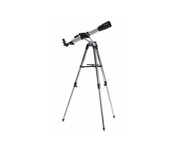
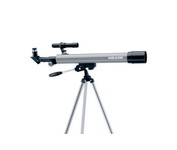
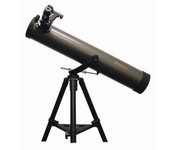
Celestron NexStar 60 SLT (120 x 60mm) Telescope
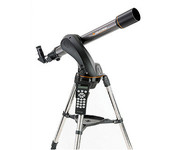
Our most affordable NexStar telescope turns starry nights into space odysseys. The 60mm refractors come with a fully computerized hand control with a database of over 4,000 celestial objects. With its pre-assembled, adjustable steel tripod, the NexStar 60 SLT can be up and ready to use in a matter of minutes
Bushnell NorthStar 78-8845 (675 x 114mm) Telescope
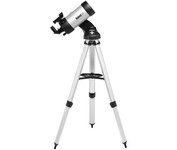
Our most powerfull, advanced technology reflector telescope with up to 675x magnification and massive 4 1/2 inch reflector mirror. "Goto" Computerized tracking technology. Red Dot LED finderscope. Remote hand-held control module. Camera adaptable. Quick release tripod. Kinematic mount. Accessory tray. 20,000 Object Onboard Starfinding Computer. 1.25" Format Eyepieces. Barlow Lens. A great starting telescope!Minimize
Bushnell NorthStar 78-8890 (300 x 90mm) Telescope
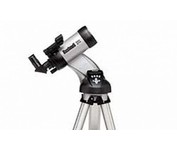
The NorthStar® telescopes offer amateur astronomers state-of-the-art computer-driven location and tracking capability with simple, push-button control. With a built-in data base of 20,000 celestial objects, you simply call up your target on the hand-held control module, enter a simple "Go To" command and the NorthStar computer does the rest. Once locked on, tracking the object for prolonged viewing is automatic. The innovative RVO (Real Voice Output) feature provides a fun, interactive way to explore the night sky. The remote, hand-held control module features red, backlit push buttons and a red, illuminated LCD read-out for easy viewing without impairing your night vision. Minimize
Meade ETX-80AT-TC (270 x 80mm) Telescope
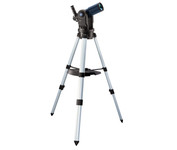
All of the major planets except Pluto are easily observable through Meade's brand-new 80mm (3.1) achromatic refractor telescope. You can study Saturn and its ring system; the primary cloud belts of Jupiter and its 4 major satellites; the Moonlike phases of Mercury and Venus; and much more.