Products reviews
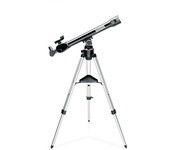
Bushnell SkyTour 78-9960 (700 x 60mm) Telescope$79.00 to $120.00
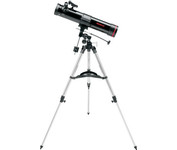
Tags:bushnell, skytour, 78-9960, 700, x, 60mm, telescope, | Tasco 49060700 (60 x 700mm) Telescope$54.00 to $90.00
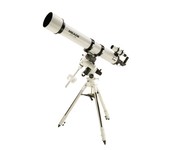
Tags:tasco, 49060700, 60, x, 700mm, telescope, | Meade LXD75AR-6 Telescope$1,199.00 to $1,200.00
Tags:meade, lxd75ar-6, telescope, |
Carson Optical SkyWatcher™ JC-1000 (100 x 60mm) Telescope
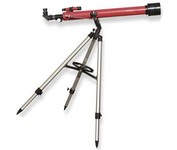
Carson's SkySeeker SkyWatcher 40-100x60 JC-1000 Tripod has precision for high-quality imaging. SkySeeker 40-100x60 deluxe aluminum toy tripod, making these quite functional toys indeed. Tripod is convenient, easy to use.
Celestron NexStar 8 SE (480 x 203mm) Telescope
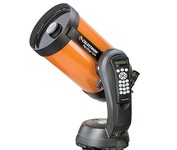
The distinctive patented fork arm with ergonomically designed integrated hand control cradle gives solid support to Celestron’s classic 8" optics. The NexStar 8 SE features Schmidt-Cassegrain 8" aperture optics with our premium StarBright XLT coatings and a powerful 2,032mm focal length and f/10 focal ratio.
Celestron NexStar 4 SE (240 x 102mm) Telescope
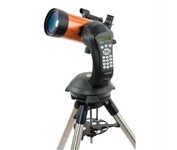
Featuring high-quality Maksutov-Cassegrain optics, the NexStar 4SE is an ideal telescope for observing and photographing the wonders of space. With a total weight of 21 lbs including the tripod, the ultra portable 4 SE features a precision optical system with 1,325 mm focal length (f/13) and is the first Maksutov system to ever feature our premium StarBright XLT coatings.Minimize
Galileo FS-80 Telescope
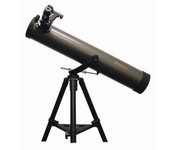
The Galileo FS-80 reflector telescope is a great beginner's reflecting telescope. The large 80mm primary mirror cell collects 33% more light than a 60mm refracting telescope. 1.25 focus housing permits the use of larger higher quality 1.25 eyepieces. Yoke mount makes the telescope easy to manage through altitude / azimuth (Up & Down, Left & Right) movement, and altitude slow motion control rod for precision adjustmentsMinimize