Products reviews
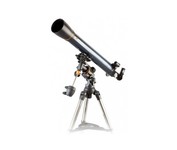
Celestron AstroMaster 90EQ (100 x 90mm) Telescope$150.00 to $300.00
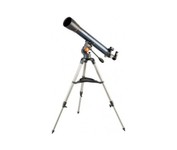
Tags:celestron, astromaster, 90eq, 100, x, 90mm, telescope, | Celestron AstroMaster 90AZ (50 x 90mm) Telescope$199.00 to $270.00
Tags:celestron, astromaster, 90az, 50, x, 90mm, telescope, |
Meade LXD75 SN-8 AT (08047502) (500 x 203mm) Telescope
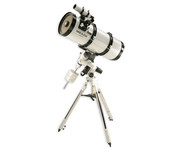
Meade LXD75 SN8-AT UHTC is an 8 inch Schmidt-Newtonian reflector type telescope with 812mm focal length and fast f/4 aperture and Meade Ultra High Transmission Coating, for 20% more image brightness over its non-UHTC sister model.
Celestron NexStar 102 SLT (200 x 102mm) Telescope
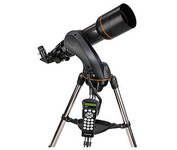
The popularity of our previous short tube refractor models inspired us to go a step further with the introduction of our NexStar 102 SLT. You'll find that astronomical viewing is a delight with this large, powerful 4 telescope.
Meade ETX-80BB (160 x 80mm) Telescope
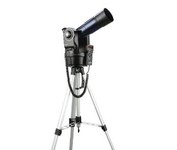
Observe the feather structure of an eagle from 50 yards or study the rings of Saturn from a distance of 800 million miles. Then focus beyond the solar system to the universe of nebulae, remote galaxies and ancient star clusters. It's an adventure of discovery the whole family can enjoy, in the backyard or wherever your travels take you.Minimize
Meade Polaris 50 AZ-P Telescope
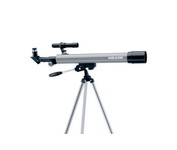
50AZ-P 2.0"/50mm Refractor Telescope Kit, 625mm f/12.5 Achromatic Refractor, Manual Altazimuth Mount
